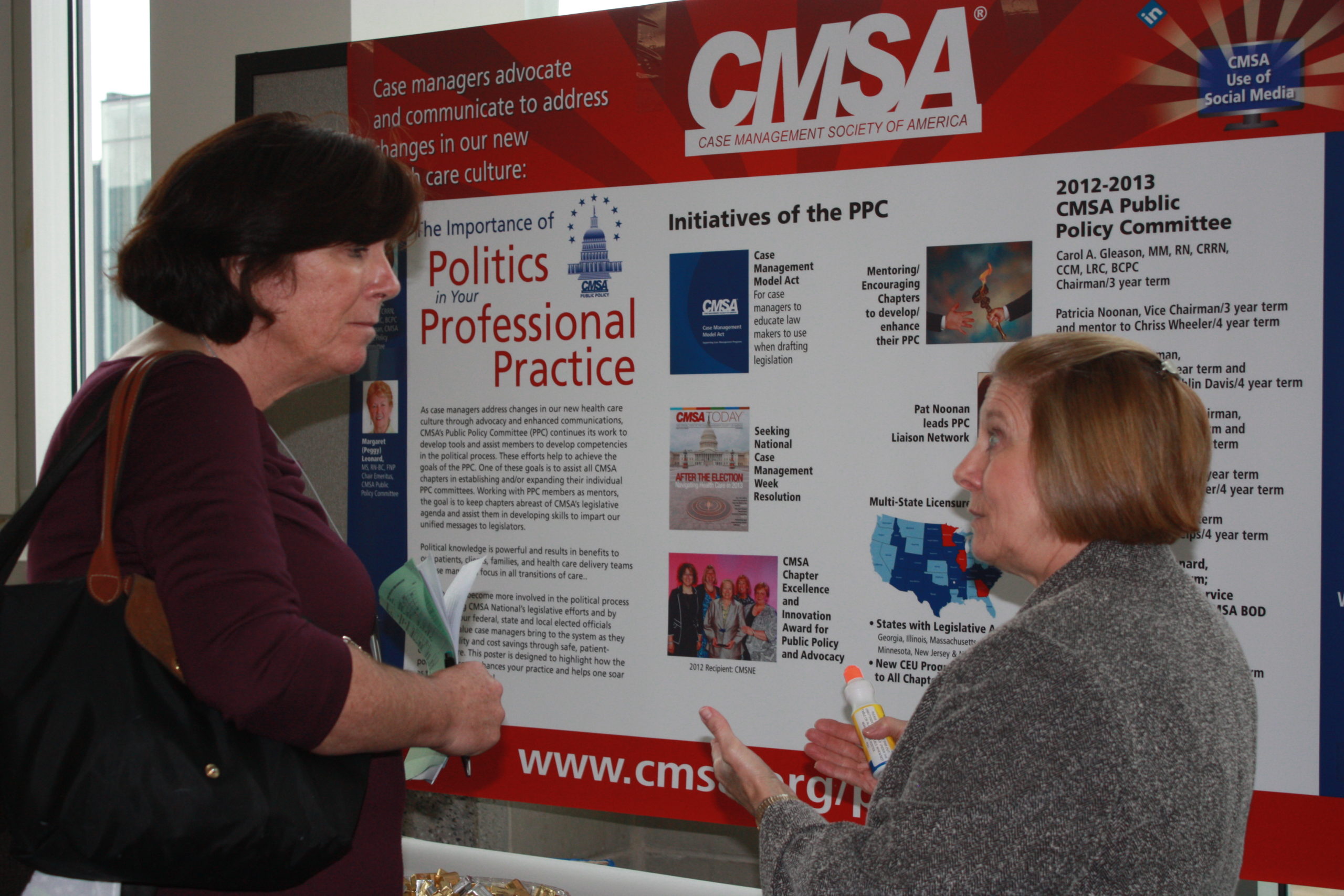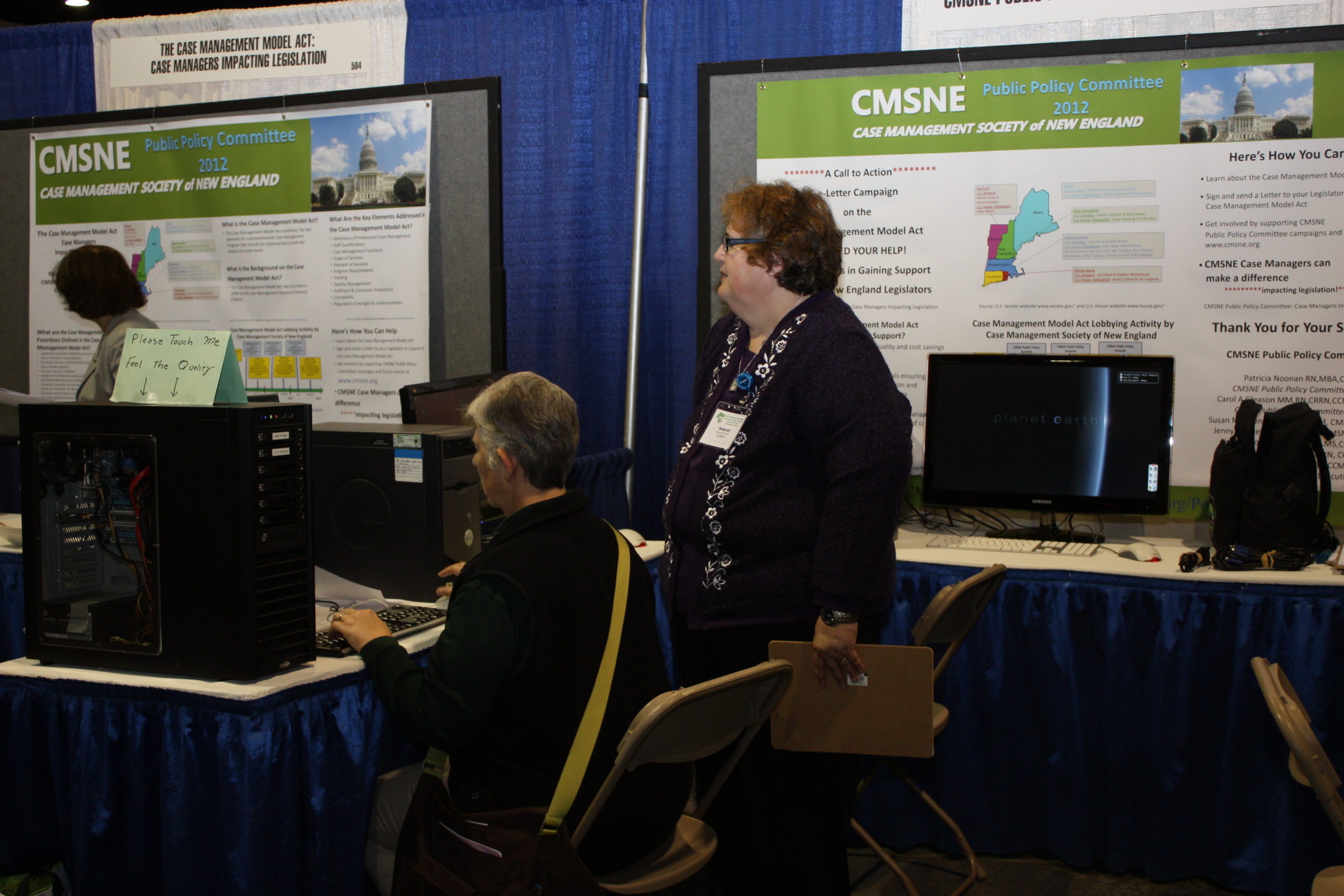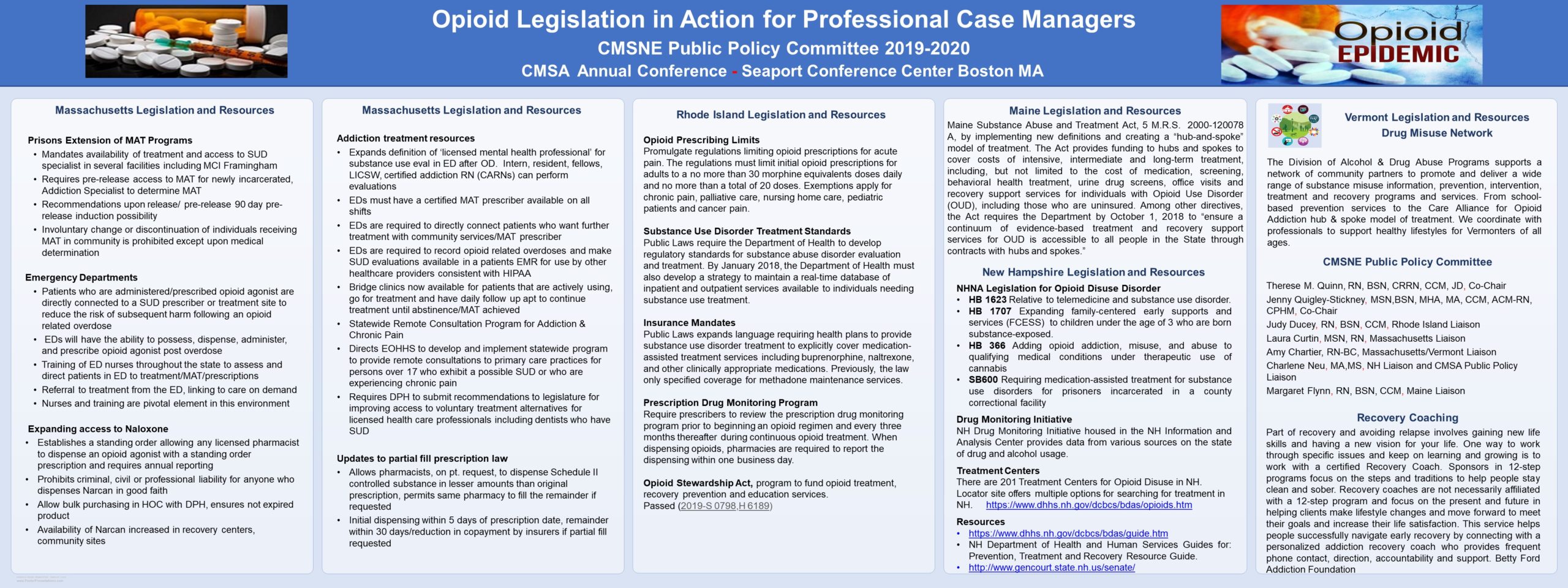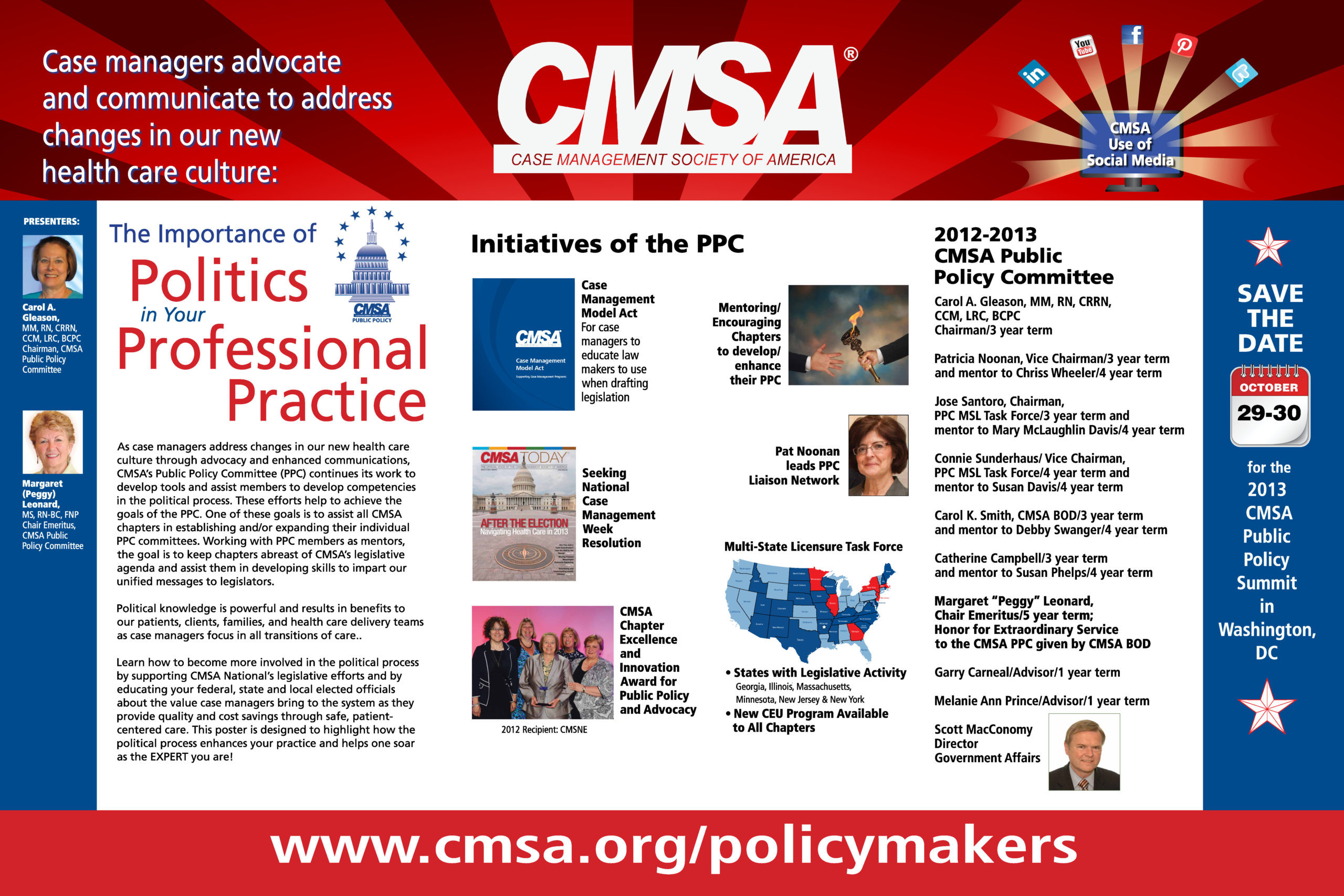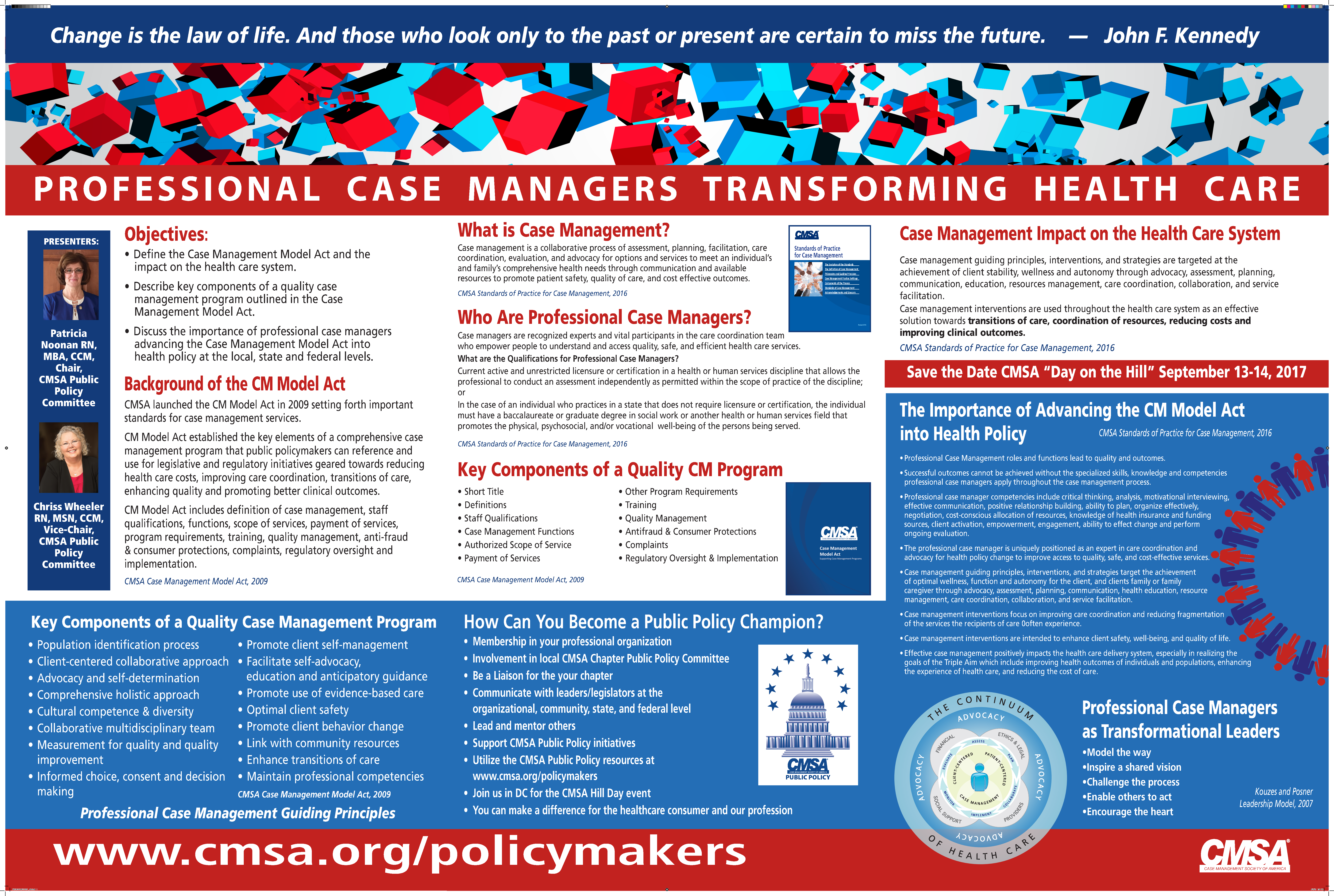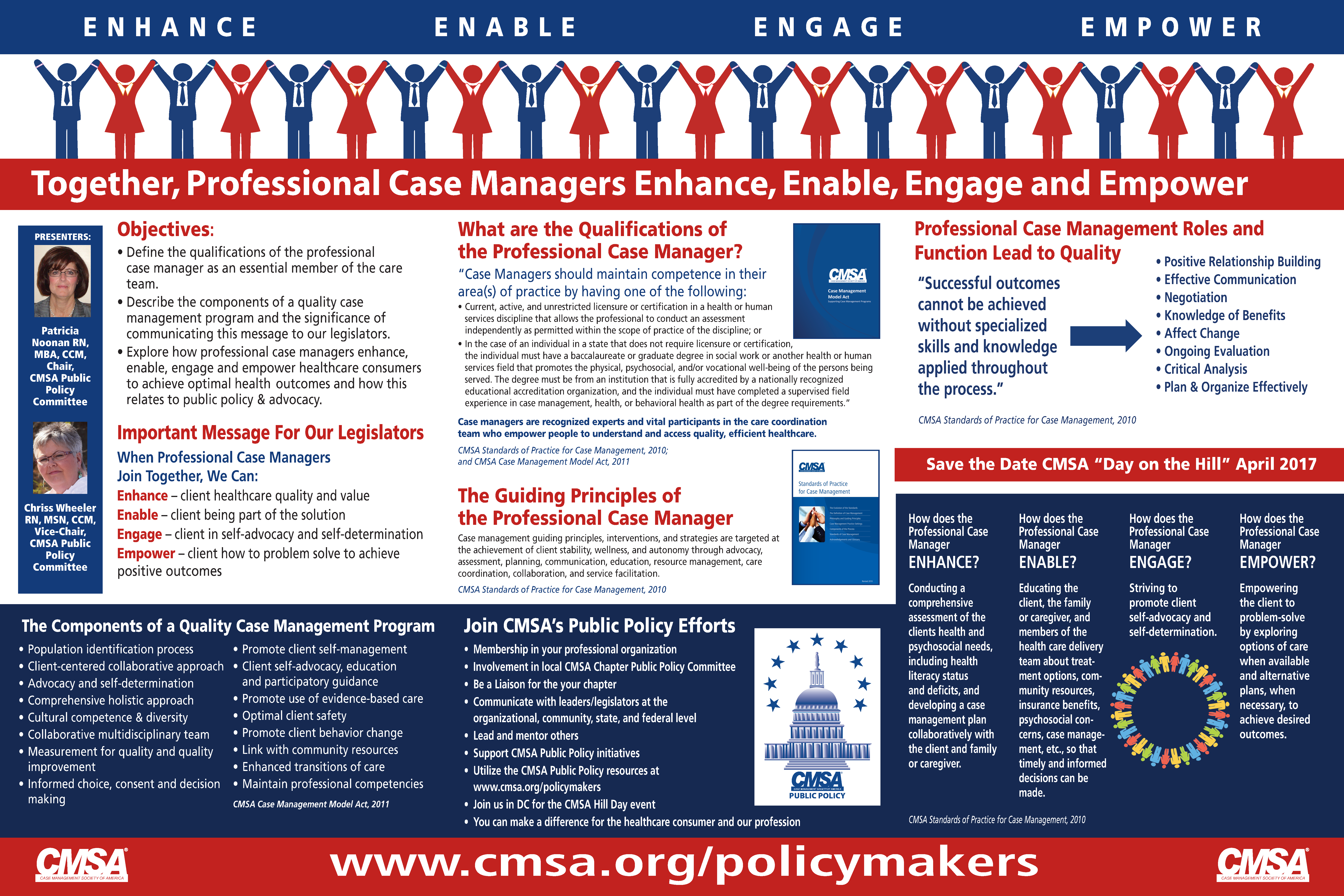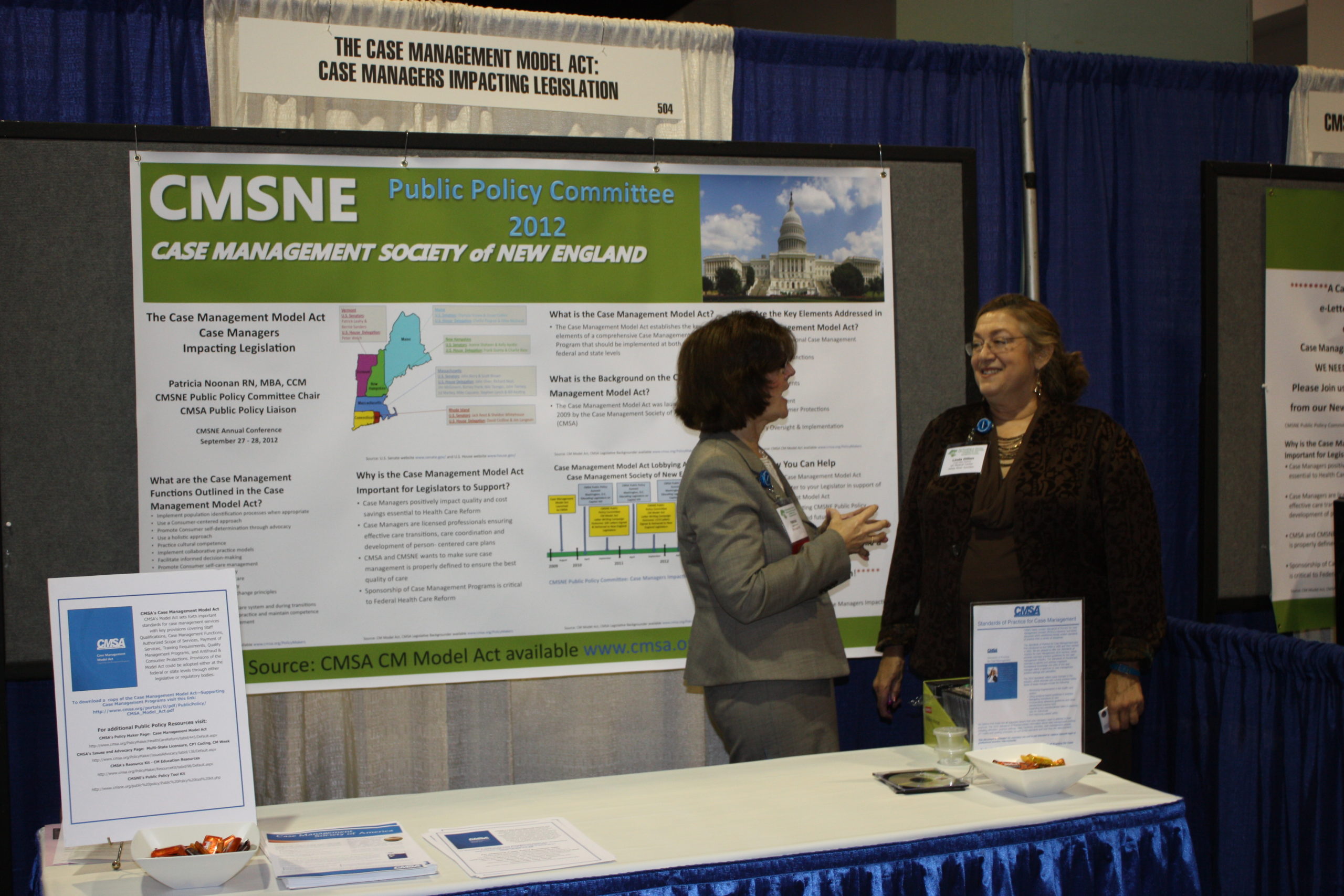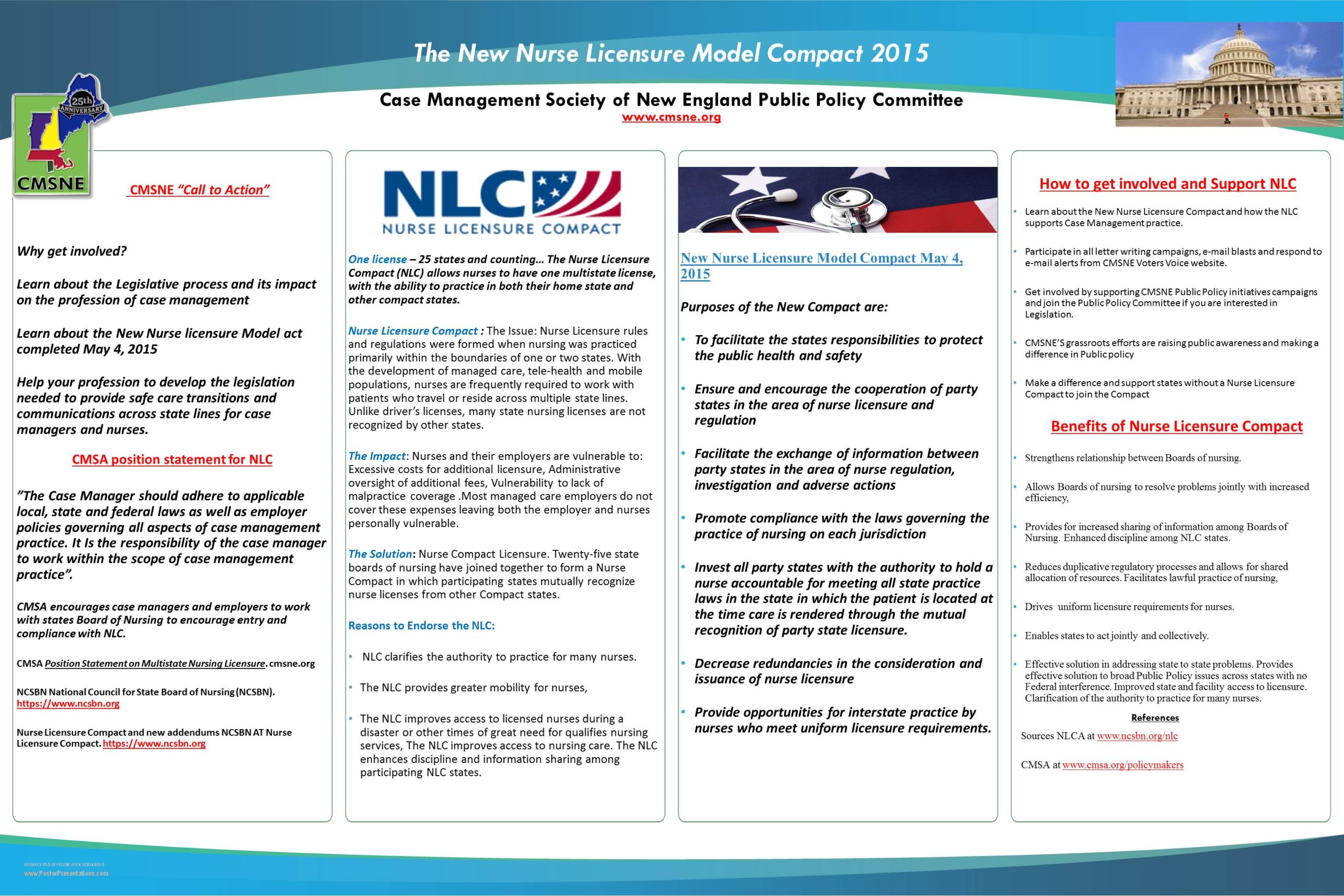
Case Management Model Act Letter Writing Campaign
2011-12 CMSNE Social Initiative - Fighting Hunger and Homelessness

Quick Links
Message from CMSNE President
8 Facts about poverty that will blow your mind
Hunger in the Suburbs
Working Poor
Case Management Ending Homelessness Article/CEU's - for CMSA/CMSNE members
Local Food Banks
Message from CMSNE President
As the holiday season is fast approaching, I felt it is the perfect time to discuss CMSNE's social initiative.
This is the time of year when people are looking to become involved with their community to help those who need assistance. Case Managers are vital in helping people get the right service at the right time. Have you heard the radio spots with case managers explaining how they assist their clients? This is great! The Case Manager title is out there on a daily basis for thousands of people to hear and wonder do I have access to a case manager. This makes the Professional Case Manager more real for people to relate to every day.
Our local extensions are conducting food drives associated with their educational activities, so attend a session and participate in their initiatives. Get in touch with your extension and buddy up for an local organization. Organize a food drive at work, adopt a family and donate your time to the homeless. Collect gently worn coats to be donated, have a sock drive, ask a cold weather shelter what it's clients need for the winter months.Domestic violence shelter also need assistance, mothers and children are there because they have limited family support. Donate time become a mentor. There are many ways to get involved which do not take more than a few hours which can make a difference in your community and yourself. Case Managers are proactive, critical thinkers who know how to solve problems within the constraints of coverage, regulations, availability of services and difficult situations. We can impact our communities using our skills and educate people along the way. We can make a difference locally while promoting our profession.
Enjoy the holidays with your families and take the time to renew your soul. Participate in an activity in your local area to promote your profession by getting involved and letting everyone know what your do!
Susan Madden, RN-BC, BSN, CCM
CMSNE President, 2011-13
8 Facts About Poverty That Will Blow Your Mind
Posted: 03/13/2012 11:17 am – Huffington Post http://www.huffingtonpost.com/sid-mohn/poverty-facts_b_1335917.html
W
ith campaign season in full swing, it seems everyone has a panacea for what ails us. And while I wish such a simple solution to the division of our indivisible nation existed, the reality is more complicated, requiring first and foremost that we understand the gravity of the situation.
This month, I gave a speech as part of the TedX series on this very topic. This post is adapted from that talk, hoping to shed light on the reality of poverty in America -- that it's everywhere, has no age, race or creed, and affects us all, whether we live in poverty or not.
The face of poverty is one like Charlene's, a single mom working hard to raise two daughters on minimum wage, with bills for her eldest's asthma medication mounting and an unenviable decision before her -- pay the electric bill or buy food?
I care about Charlene's future -- and her children's -- not just because it's my job or because that's the mission of the nonprofit where I work, but because as a human being, I am inextricably linked to Charlene. That's why I'd like to share eight facts about poverty that will provoke your head and haunt your heart. These facts and stories are not meant to overwhelm you, but instead, inspire you to see the world differently, to see that the fate of one impacts the fate of us all. And ultimately, show how you have the power to impact change on a life in need.
1. Our kids are poor.
At some point in their lives, half of all U.S. children will be on food stamps. This suggests problems of poverty AND hunger. Half -- 50 percent of American children. Right now, a family of three that nets more than $1,545 per month is NOT eligible for the program. It seems unimaginable that fully half of all American children will start their lives like this, but it's true. This cycle must be broken -- for their good and ours.
2. Our adults are poor.
Half of American adults will experience poverty by the time they turn 65. That means half of our neighbors will experience having an income of $22,000 or LESS for a family of four. Adults living in poverty often have a disability or are weathering extremely difficult times -- single moms struggling to raise families, or someone who's contracted a serious disease.
3. Our elderly are poor.
One of every six elderly Americans live in poverty. It's not just about gross income. Many times social security and pension income raise income above the poverty level. But when you take into account how much of their disposable income they spend on health care costs, particularly medication, and housing, they drop below the poverty line.
4. Too many of our workers are poor.
One quarter of the workforce earns poverty level wages. Right now, for a family of four, that's $23,050 per year. These aren't just part-time workers who can't find full-time work. In Illinois nearly 100,000 full-time, year round workers still fall below the poverty line. These are folks who put in a long day at work, yet still can't afford to put a roof over their heads and food on the table, always just one unexpected expense from catastrophe.
5. Our building blocks out of poverty are weak.
The very supports that are needed -- things like affordable housing and health care as well as access to good jobs -- are inaccessible to those who need them most.
- Health Care: The number of people who lacked health insurance last year climbed to just about 50 million.
- Housing: The number of families who pay more than 50 percent of their income on rent keeps rising -- increasing 20 percent according to the most recent study -- which raises the risk of homelessness for those families.
- Jobs: Unemployment is at 8.5 percent. And the average length of time Illinois workers are unemployed has doubled since 2007.
6. Poverty is expensive.
Child poverty costs the U.S. economy a minimum of $500 billion per year -- the equivalent of nearly four percent GDP -- when considering lost earnings potential, crime and health care costs. That's about what the President's budget outlined for defense in 2012.
Care for those without health insurance coverage totaled $35 billion in 2004, which is largely shouldered by taxpayers. Investing in the short-term to solve these social issues can save us trillions in the long run.
7. Poverty CAN be reduced by 50 percent.
Through our research, I know we can reduce the number of those living in extreme poverty by half. (Extreme poverty refers to those who live below 50 percent of the federal poverty threshold -- that means a family of 4 who makes less than $11,000 a year.)
By providing a short-term bundle of services -- housing, health care, jobs and justice -- we can help people lift themselves out of extreme poverty and stay out of poverty for good:
Housing: Making sure everyone has a roof over their head -- a safe place that's affordable. This is key -- a place to call home is the first step.
Health Care: If someone is sick, or malnourished, or can't afford medicine, they can't make the journey out of poverty. You have to be healthy to work.
Jobs: Work is the backbone of escaping poverty. Folks need the education and the skills to work. We need to help them make that happen.
Justice: If someone can't find work because of discrimination, or is being held hostage by a violent situation, they can't be productive. We must ensure justice for those who find themselves ostracized from our communities.
8. Change starts with you.
In today's discourse, there's too much "us" vs. "them." We need to change that focus to "we" -- all united, working together to ensure everyone has the opportunity to live a better life. Our country was founded on notions that anyone can pull themselves up from their bootstraps. But our divided nation continues to strip away at the tools needed to grab hold of those bootstraps. We've been negating our proud tradition of believing in the common good.
We can't allow politicians to chip away at the services that keep people fed, housed, and on the road to becoming self-sufficient. We can't allow the nonprofits who work one-on-one with people in poverty to lose their funding and strip them of the ability to help those in need. And we can't continue to see the problem of poverty as someone else's problem. Because we can all make a difference to a life in need.
Take Betty Anne for example. She's struggled all her life with serious mental illness, but she's now living in a subsidized apartment and doing well. Every month when she gets her disability check, she puts a little money in a bag and asks her neighbors in the apartment building to do the same. She collects that money to buy food at the local grocery and makes sack lunches to distribute to people with serious mental illness who are living in the park.
Betty Anne gives back because she can and she knows it makes a world of difference to those folks in the park. She's walked in their shoes, and it's important for her to extend the kindness and care that strangers extended to her when she was alone and on the streets.
You can make a difference too. Educate yourselves about what's needed to help people out of poverty, volunteer at a local organization that's helping people in need, forgo that latte each morning and donate that money to help a family put food on the table and a roof over their heads. And when the time comes, vote -- not just for your interests but for the interests of our whole, divided, indivisible nation.
Follow Sid Mohn on Twitter: www.twitter.com/@sidmohn
Hunger in the Suburbs
The hidden nature of hunger and poverty makes us less aware of its prevalence in the suburbs, but hunger does exist in the suburbs and it is growing.
The growth in poverty and hunger in the suburbs is caused by the lure of job growth, the revitalization of central cities making city life too expensive for many poor people, and the creation of cheaper housing in "inner ring" suburbs, as middle class people move further out.
Facts
- In 2010, the prevalence of household food insecurity in suburban areas was 12.6 percent (6.2 million households), and the prevalence of very low food security was 4.6 percent (2.3 million households). i
- Feeding America estimates that 48 percent of all clients served reside in rural/suburban areas. ii
- Suburban poverty appears to have distinct regional patterns. Fourteen of the fifteen suburbs with the highest poverty rates in 2000 were located in the Southern or Western regions of the country. iii
- The poverty rate for people living in suburban areas was 16.6 percent (7.9 million people) in 2009. iv
i Coleman-Jensen, A., Nord, Mark, M. Andrews, M., Carlson, S. United States Department of Agriculture/Economic Research Service. Household Food Security in the United States in 2010. September 2011.
ii Rhoda Cohen, J., Mabli, F., Potter, Z., Zhao. Mathematica Policy Research, Feeding America. Hunger in America 2010. February 2010.
iii Berube, Alan, W.H. Frey. The Brookings Institution/Center on Urban and Metropolitan Poverty. A Decade of Mixed Blessings: Urban and Suburban Poverty in Census 2000. August 2002.
iv DeNavas-Walt, Carmen, B.D. Proctor, J. Smith. U.S. Census Bureau. Income, Poverty, and Health Insurance Coverage in the United States: 2010. September 2011.
Reprinted from Feeding America website: http://feedingamerica.org/hunger-in-america/hunger-facts/hunger-in-the-suburbs.aspx
Working Poor
One of the most common misconceptions is the assumption that if someone is hungry, that means they do not have a job and are living on the streets. What most people don’t understand is that anyone can experience hunger. It is a silent epidemic that affects 49 million Americans.
According to the US Census Bureau, in 2010, 21 million people lived in working-poor families. This translates into nearly 9.6 percent of all American families living below 100 percent of poverty have at least one family member working . In fact, 36 percent of client households served by the Feeding America network have one or more adults working. ii
Working Poor Facts
- Female-headed households were more than twice as likely to be among the working poor as male-headed households in 2008.
- Among families with at least one member working at least half a year, families with children were 4 times more likely than families without children to live in poverty in 2008.iii
- According to a survey on hunger and homelessness conducted by the United States Conference of Mayors, 88.5% of cities participating in the survey cited unemployment as one of three major causes of hunger in their city.
- Thirty-nine percent of all adults served by Feeding America have completed high school or equivalent degree with no further education beyond high school. ii
- 34 percent of all households served by Feeding America have had to choose between paying for food and paying for medicine or medical care. ii
- Sixty-five percent of working families that received SNAP were single-parent families.
i U.S. Census Bureau, Current Population Survey, 2011 Annual Social and Economic Supplement.POV10: People in Families by Number of Working Family Members and Family Structure: 2010. http://www.census.gov/hhes/www/cpstables/032010/pov/new10_100_01.htm
ii Rhoda Cohen, J., Mabli, F., Potter, Z., Zhao.Hunger In America 2010. Feeding America. February 2010.
iii U.S. Department of Labor, U.S. Bureau of Labor Statistics. A Profile of the Working Poor, 2008.
iv The U.S. Conference of Mayors, 2008 Hunger and Homelessness Survey. December 2010.
v Urban Institute, Sheila R. Zedlewski, E. Mon. Many Low-income Working Families Turn To The Supplemental Nutrition Assistance Program For Help. August 2009.
Reprinted from Feeding America website: http://feedingamerica.org/hunger-in-america/hunger-facts/working-poor.aspx
CMSA/CMSNE Members - read articles in November/December and January/February editions of Case Management Professional and earn CEU's
Homelessness is a social condition increasing in frequency and severity across Canada. Interventions to end and prevent homelessness include effective case management in addition to an affordable housing provision. Little standardization exists for service providers to guide their decision making in developing and maintaining effective case management programs. The purpose of this 2-part article is to articulate dimensions of promising practice for case managers working in a “Housing First” context. Part 1 discusses research processes and findings and Part 2 articulates the 6 dimensions of quality.
The 6 Dimensions of Promising Practice for Case Managed Supports to End Homelessness, Part 1: Contextualizing Case Management for Ending Homelessness (November/December 2011 edition)
The 6 Dimensions of Promising Practice for Case Managed Supports to End Homelessness: Part 2: The 6 Dimensions of Quality
(January/February 2012 edition)
Local Food Banks
What is a Food Bank?
A food bank or foodbank is a non-profit, charitable organization that distributes mostly donated food to a wide variety of agencies that in turn feed the hungry. The largest sources of food are for-profit growers, manufacturers, distributors and retailers who in the normal course of business have excess food that they cannot sell.
After sorting and inventory, a food bank distributes the food to non-profit community or government agencies, including but not limited to food pantries, soup kitchens, homeless shelters, orphanages, and schools.
Reprinted from Wikipedia - http://en.wikipedia.org/wiki/Food_Banks
2010-11 CMSNE Social Initiative
Autism
Quick Links to Articles
About Autism
Coping with Autism from the Families Perspective
What is Asperger syndrome?
|
2010 -11 Autism - A Year In Review
The CMSNE Social Initiatives allow us to learn and grow and become more informed about diseases we would not have had the opportunity to understand. CMNSE also brings awareness and assistance to others, by sharing the knowledge gleaned. In that way, we continue to do the work of a case manager by supporting our goals and mission to promote growth and the value of case management. CMNSE supports the evolving needs of our profession and we share our values through continual education. Over the last year, we have had the benefit of learning about Autism and an advocacy group, Autism Speaks.
This year, the "Autism Speaks" group shared the goal of changing the future for all who struggle with Autism. Autism Speaks celebrated is fifth year anniversary on February 25, 2010. This group is the largest advocacy group in the nation since merging with two other groups. They are committed to an unprecedented 30 million in new research funding to uncover the cause, prevention, treatments and cure for Autism. Their goals are lofty and the tools shared to assist parents of children with Autism are many. The 100 Day Kit for newly diagnosed families helps many through the difficult process following a diagnosis of Autism. There are many other accomplishments, which were outlined this year in our newsletter.
We learned that receiving a diagnosis of Autism can be compared to a kind of death. Coping with the diagnosis is devastating, but because of the support of other families and professionals, the pain and anguish is eased. Knowing Autism Speaks is available and willing to guide parents through the process makes it so much easier. At our Annual conference the Social Initiative presentation will occur Thursday September 29 from 5 PM to 6 PM. Bryan Mahoney who has worked with us throughout the year providing educational materials to our members will be onsite to continue this education. Bryan will provide an overview of the organization Autism Speaks and highlight the many contributions of this organziation to the field of Autism. Our keynote speaker Dr. Matthew Seigel from Spring Harbor Hospital in Portland Maine, will present following this overview. Dr. Seigel is an expert in the field of Autism and his presentation will address the Pharmacological managment for the child with ASD and latest clinical treatments for Autistism. The presentation will identify the challenges of managing mental health issues in ASD and the case management services required to treat this population. We hope that throughout the year and in this final educational seminar members will reap the benefit from the experts who have provided the latest research and treatments for Autism. Please take advantage of this wonderful opportunity.
Respectfully submitted by Cathy Lodico, Rhonda Loveitt and Jenny Quigley-Stickney
About Autism
Autism is a complex neurobiological disorder that typically lasts throughout a person's lifetime. It is part of a group of disorders known as autism spectrum disorders (ASD). Today, 1 in 110 individuals is diagnosed with autism, making it more common than pediatric cancer, diabetes, and AIDS combined. It occurs in all racial, ethnic, and social groups and is four times more likely to strike boys than girls. Autism impairs a person's ability to communicate and relate to others. It is also associated with rigid routines and repetitive behaviors, such as obsessively arranging objects or following very specific routines. Symptoms can range from very mild to quite severe.
About Autism Speaks
At Autism Speaks, our goal is to change the future for all who struggle with autism spectrum disorders.
We are dedicated to funding global biomedical research into the causes, prevention, treatments, and cure for autism; to raising public awareness about autism and its effects on individuals, families, and society; and to bringing hope to all who deal with the hardships of this disorder. We are committed to raising the funds necessary to support these goals.
Autism Speaks aims to bring the autism community together as one strong voice to urge the government and private sector to listen to our concerns and take action to address this urgent global health crisis. It is our firm belief that, working together, we will find the missing pieces of the puzzle.
Some History of Autism Speaks
Autism Speaks is celebrating its fifth-year anniversary on February 25, 2010. Autism Speaks completed its merger with Cure Autism Now, a family-founded, autism advocacy group based in Los Angeles. In 2006 Autism Speaks merged with the National Alliance for Autism Research. Autism Speaks is now the nation's largest autism advocacy organization.
Recently, Autism Speaks accomplished the following and more:
* Autism Speaks committed an unprecedented $30 million in new research funding to uncover the cause(s), prevention, treatments and cure for autism, making it the nation's top private funder of autism research.
* Autism Speaks' public service announcement campaign, produced with the Ad Council, garnered over $81 million in donated media and led to a nationwide 14 percentage point increase in autism awareness by the general public.
* Autism Speaks launched the online family services resource guide. This database, which has grown to over 15,000 entries, allows families to search by state or zip code to find a wide range of local or regional services.
* Autism Speaks launched the Autism Video Glossary, a free, web-based tool to help parents and professionals learn more about the early warning signs of autism spectrum disorder (ASD).
* Autism Speaks' "Autism Treatment Network" (ATN) tripled in size, expanding from five sites to fifteen sites across the U.S. and Canada. The ATN is a group of hospitals and medical centers dedicated to improving and standardizing medical care for children and adolescents with ASD.
* Autism Speaks created a free School Community Tool Kit for all school participants - the teachers, administrators, aides, office staff, bus drivers, nurses, custodians, peers and parents - to understand more about students with autism so that those affected can make great strides and become valued members of a student body.
* Autism Speaks created a free 100 Day Kit for newly diagnosed families to help them through the many difficult processes following a diagnosis of autism

Autism Speaks
New England Chapter
990 Washington, St., Suite 102
Dedham, MA 02026
Toll Free: 888-627-6227
Direct: 781-461-8833 |
Coping with Autism from the Families Perspective
|
It's not easy to hear the news that your child has autism, and realize that your life will be utterly different than you had expected it to be. Daily life with a special-needs child presents many unique challenges. How do you come to terms with the fact that your child has autism? How do you cope once you get over the initial shock?
No matter how well-prepared you thought you were after months spent worrying about your child's development, and seemingly endless visits with specialists, hearing that your child has autism is usually devastating. Many parents and psychologists describe the diagnosis as a kind of "death." As Sharon Rosenbloom writes in Souls: Beneath and Beyond Autism, "With the diagnosis of autism, the dream dies." While of course your child is very much alive, the feeling of loss is nonetheless very real for most parents and families. In many ways, the diagnosis of autism represents the death of both your idealized child and your life as you imagined it would be, full of soccer games and school plays, ballet classes and sleepovers. The diagnosis leaves you facing something entirely new and unknown, and it can feel very scary indeed.
You will most likely experience a wide range of emotions. These may range from shock, anger, and resentment, to fear, worry, and profound sadness. Some parents may feel guilt, while others may actually feel some relief at finally having a diagnosis. One minute you may feel like screaming, and the next minute all you want to do is cry. Each person displays his or her own range and intensity of emotions. Still, you may go through something similar to that of others who suffer a great loss:
This can be a very challenging time. The main thing to remember is that all of these emotions you're feeling are normal. Be patient with yourself. It can be a long time before you are able to feel a sense of acceptance about your child's disability. But most parents who have been through this already will assure you that eventually that time does come
Caring for Yourself
Give yourself time to heal. You may need to take time off from work while you are grieving. Let yourself cry, scream, or anything else that helps you release your emotions.
Write in a journal. Louise DeSalvo, in Writing as a Way of Healing, notes that studies have shown that "writing that describes traumatic events and our deepest thoughts and feelings about them . . . is linked with improved immune function, improved emotional and physical health," and positive behavioral changes.
Begin treatment for your child immediately. Bryna Siegel, in The World of the Autistic Child, writes that "starting with treatment is the best way to work through the acceptance of the diagnosis. . . . The sooner the treatment begins, the sooner there will be some positive change in the child and the parents can begin to see that the child's situation is not hopeless."
Talk about your feelings. Discussions with someone you trust, whether a partner, friend, family member, or religious leader, can be a tremendous relief.
Learn facts about autism. With information, you will feel more capable to make the right decisions for your child. Take care not to become overwhelmed, though. You don't need to solve all your child's problems at once.
Maintain daily routines. Routines bring order to family life at a time when it may feel chaotic and overwhelming.
Join a support group. Find other parents who understand what you're going through and can give you advice and direct you to resources. Don't let yourself become isolated.
Do something for yourself every day. Gardening, exercise, art, prayer, anything that makes you feel good.
Don't forget to appreciate your child's gifts. Don't let the word "autism" cloud your feelings toward your child. This is the same little person you loved and appreciated before the diagnosis
Get help when necessary. Following the above strategies should help keep you from falling apart. However, if you do find yourself so overwhelmed that you are unable to function or care for your child or children, consider seeing a trained psychotherapist who can help you work through your difficult emotion.
Reprinted from Autism Speaks 1/6/11 |
What is Asperger syndrome?
Asperger syndrome (AS) is a developmental disorder that is characterized by: 1 limited interests or an unusual preoccupation with a particular subject to the exclusion of other activities
- repetitive routines or rituals
- peculiarities in speech and language, such as speaking in an overly formal manner or in a monotone, or taking figures of speech literally
- socially and emotionally inappropriate behavior and the inability to interact successfully with peers
- problems with non-verbal communication, including the restricted use of gestures, limited or inappropriate facial expressions, or a peculiar, stiff gaze
- clumsy and uncoordinated motor movements
AS is an autism spectrum disorder (ASD), one of a distinct group of neurological conditions characterized by a greater or lesser degree of impairment in language and communication skills, as well as repetitive or restrictive patterns of thought and behavior. Other ASDs include: classic autism, Rett syndrome, childhood disintegrative disorder, and pervasive developmental disorder not otherwise specified (usually referred to as PDD-NOS).
Parents usually sense there is something unusual about a child with AS by the time of his or her third birthday, and some children may exhibit symptoms as early as infancy. Unlike children with autism, children with AS retain their early language skills. Motor development delays – crawling or walking late, clumsiness – are sometimes the first indicator of the disorder.
The incidence of AS is not well established, but experts in population studies conservatively estimate that two out of every 10,000 children have the disorder. Boys are three to four times more likely than girls to have AS.
Studies of children with AS suggest that their problems with socialization and communication continue into adulthood. Some of these children develop additional psychiatric symptoms and disorders in adolescence and adulthood.
Although diagnosed mainly in children, AS is being increasingly diagnosed in adults who seek medical help for mental health conditions such as depression, obsessive-compulsive disorder (OCD), and attention deficit hyperactivity disorder (ADHD). No studies have yet been conducted to determine the incidence of AS in adult populations.
Why is it called Asperger syndrome?
In 1944, an Austrian pediatrician named Hans Asperger observed four children in his practice who had difficulty integrating socially. Although their intelligence appeared normal, the children lacked nonverbal communication skills, failed to demonstrate empathy with their peers, and were physically clumsy. Their way of speaking was either disjointed or overly formal, and their all-absorbing interest in a single topic dominated their conversations. Dr. Asperger called the condition “autistic psychopathy” and described it as a personality disorder primarily marked by social isolation.
Asperger’s observations, published in German, were not widely known until 1981, when an English doctor named Lorna Wing published a series of case studies of children showing similar symptoms, which she called “Asperger’s” syndrome. Wing’s writings were widely published and popularized. AS became a distinct disease and diagnosis in 1992, when it was included in the tenth published edition of the World Health Organization’s diagnostic manual, International Classification of Diseases (ICD-10), and in 1994 it was added to the Diagnostic and Statistical Manual of Mental Disorders (DSM-IV), the American Psychiatric Association’s diagnostic reference book.
What are some common signs or symptoms?
The most distinguishing symptom of AS is a child’s obsessive interest in a single object or topic to the exclusion of any other. Some children with AS have become experts on vacuum cleaners, makes and models of cars, even objects as odd as deep fat fryers. Children with AS want to know everything about their topic of interest and their conversations with others will be about little else. Their expertise, high level of vocabulary, and formal speech patterns make them seem like little professors.
Children with AS will gather enormous amounts of factual information about their favorite subject and will talk incessantly about it, but the conversation may seem like a random collection of facts or statistics, with no point or conclusion.
Their speech may be marked by a lack of rhythm, an odd inflection, or a monotone pitch. Children with AS often lack the ability to modulate the volume of their voice to match their surroundings. For example, they will have to be reminded to talk softly every time they enter a library or a movie theatre.
Unlike the severe withdrawal from the rest of the world that is characteristic of autism, children with AS are isolated because of their poor social skills and narrow interests. In fact, they may approach other people, but make normal conversation impossible by inappropriate or eccentric behavior, or by wanting only to talk about their singular interest.
Children with AS usually have a history of developmental delays in motor skills such as pedaling a bike, catching a ball, or climbing outdoor play equipment. They are often awkward and poorly coordinated with a walk that can appear either stilted or bouncy.
Many children with AS are highly active in early childhood, and then develop anxiety or depression in young adulthood. Other conditions that often co-exist with AS are ADHD, tic disorders (such as Tourette syndrome), depression, anxiety disorders, and OCD.
What causes AS? Is it genetic?
Current research points to brain abnormalities as the cause of AS. Using advanced brain imaging techniques, scientists have revealed structural and functional differences in specific regions of the brains of normal versus AS children. These defects are most likely caused by the abnormal migration of embryonic cells during fetal development that affects brain structure and “wiring” and then goes on to affect the neural circuits that control thought and behavior.
For example, one study found a reduction of brain activity in the frontal lobe of AS children when they were asked to respond to tasks that required them to use their judgment. Another study found differences in activity when children were asked to respond to facial expressions. A different study investigating brain function in adults with AS revealed abnormal levels of specific proteins that correlate with obsessive and repetitive behaviors.
Scientists have always known that there had to be a genetic component to AS and the other ASDs because of their tendency to run in families. Additional evidence for the link between inherited genetic mutations and AS was observed in the higher incidence of family members who have behavioral symptoms similar to AS but in a more limited form. For example, they had slight difficulties with social interaction, language, or reading.
A specific gene for AS, however, has never been identified. Instead, the most recent research indicates that there are most likely a common group of genes whose variations or deletions make an individual vulnerable to developing AS. This combination of genetic variations or deletions will determine the severity and symptoms for each individual with AS. How is it diagnosed?
The diagnosis of AS is complicated by the lack of a standardized diagnostic screen or schedule. In fact, because there are several screening instruments in current use, each with different criteria, the same child could receive different diagnoses, depending on the screening tool the doctor uses.
To further complicate the issue, some doctors believe that AS is not a separate and distinct disorder. Instead, they call it high-functioning autism (HFA), and view it as being on the mild end of the ASD spectrum with symptoms that differ -- only in degree -- from classic autism. Some clinicians use the two diagnoses, AS or HFA, interchangeably. This makes gathering data about the incidence of AS difficult, since some children will be diagnosed with HFA instead of AS, and vice versa.
Most doctors rely on the presence of a core group of behaviors to alert them to the possibility of a diagnosis of AS. These are:
- abnormal eye contact
- aloofness
- the failure to turn when called by name
- the failure to use gestures to point or show
- a lack of interactive play
- a lack of interest in peers
Some of these behaviors may be apparent in the first few months of a child’s life, or they may appear later. Problems in at least one of the areas of communication and socialization or repetitive, restricted behavior must be present before the age of 3.
The diagnosis of AS is a two-stage process. The first stage begins with developmental screening during a “well-child” check-up with a family doctor or pediatrician. The second stage is a comprehensive team evaluation to either rule in or rule out AS. This team generally includes a psychologist, neurologist, psychiatrist, speech therapist, and additional professionals who have expertise in diagnosing children with AS.
The comprehensive evaluation includes neurologic and genetic assessment, with in-depth cognitive and language testing to establish IQ and evaluate psychomotor function, verbal and non-verbal strengths and weaknesses, style of learning, and independent living skills. An assessment of communication strengths and weaknesses includes evaluating non-verbal forms of communication (gaze and gestures); the use of non-literal language (metaphor, irony, absurdities, and humor); patterns of inflection, stress and volume modulation; pragmatics (turn-taking and sensitivity to verbal cues); and the content, clarity, and coherence of conversation. The physician will look at the testing results and combine them with the child’s developmental history and current symptoms to make a diagnosis.
Are there treatments available?
The ideal treatment for AS coordinates therapies that address the three core symptoms of the disorder: poor communication skills, obsessive or repetitive routines, and physical clumsiness. There is no single best treatment package for all children with AS, but most professionals agree that the earlier the intervention, the better.
An effective treatment program builds on the child’s interests, offers a predictable schedule, teaches tasks as a series of simple steps, actively engages the child’s attention in highly structured activities, and provides regular reinforcement of behavior. This kind of program generally includes:
- social skills training, a form of group therapy that teaches children with AS the skills they need to interact more successfully with other children
- cognitive behavioral therapy, a type of “talk” therapy that can help the more explosive or anxious children to manage their emotions better and cut back on obsessive interests and repetitive routines
- medication, for co-existing conditions such as depression and anxiety
- occupational or physical therapy, for children with sensory integration problems or poor motor coordination
- specialized speech/language therapy, to help children who have trouble with the pragmatics of speech – the give and take of normal conversation
- parent training and support, to teach parents behavioral techniques to use at home
Do children with AS get better? What happens when they become adults?
With effective treatment, children with AS can learn to cope with their disabilities, but they may still find social situations and personal relationships challenging. Many adults with AS are able to work successfully in mainstream jobs, although they may continue to need encouragement and moral support to maintain an independent life.
What research is being done?
The National Institute of Neurological Disorders and Stroke (NINDS) is one of the federal government’s leading supporters of biomedical research on brain and nervous system disorders. The NINDS conducts research in its laboratories at the National Institutes of Health (NIH) in Bethesda, Maryland , and awards grants to support research at universities and other facilities. Many of the Institutes at the NIH, including the NINDS, are sponsoring research to understand what causes AS and how it can be effectively treated.
One study is using functional magnetic resonance imaging (fMRI) to show how abnormalities in particular areas of the brain cause changes in brain function that result in the symptoms of AS and other ASDs.
Another large-scale study is comparing neuropsychological and psychiatric assessments of children with possible diagnoses of AS or HFA to those of their parents and siblings to see if there are patterns of symptoms that link AS and HFA to specific neuropsychological profiles.
NINDS is also supporting a long-range international study that brings together investigators to collect and analyze DNA samples from children with AS and HFA, as well as their families, to identify associated genes and how they interact. Called the Autism Genome Project, it’s a consortium of scientists from universities, academic centers, and institutions around the world that functions as a repository for genetic data so that researchers can look for the genetic “building blocks” of AS and the other ASDs.
Since there are so many different forms of ASD, understanding the genetic basis of each opens the door to opportunities for more precise diagnosis and treatment. Knowing the genetic profile of a particular disorder could mean early identification of those at risk, and early intervention when treatments and therapies are likely to be the most successful.
1Adapted from the Diagnostic and Statistical Manual of Mental Disorders IV and the International Classification of Diseases - 10
Where can I get more information?
For more information on neurological disorders or research programs funded by the National Institute of Neurological Disorders and Stroke, contact the Institute's Brain Resources and Information Network (BRAIN) at:
BRAIN
P.O. Box 5801
Bethesda, MD 20824
(800) 352-9424
http://www.ninds.nih.gov
Information also is available from the following organizations:
MAAP Services for Autism, Asperger Syndrome, and PDD
P.O. Box 524
Crown Point, IN 46308
info@aspergersyndrome.org
http://www.aspergersyndrome.org/
Tel: 219-662-1311
Fax: 219-662-1315 |
Autism Network International (ANI)
P.O. Box 35448
Syracuse, NY 13235-5448
jisincla@syr.edu
http://www.ani.ac |
Autism Society of America
4340 East-West Highway
Suite 350
Bethesda, MD 20814
http://www.autism-society.org
Tel: 301-657-0881
800-3AUTISM (328-8476)
Fax: 301-657-0869 |
Autism Research Institute (ARI)
4182 Adams Avenue
San Diego, CA 92116
director@autism.com
http://www.autismresearchinstitute.com
Tel: 866-366-3361
Fax: 619-563-6840 |
National Institute of Mental Health (NIMH)
National Institutes of Health, DHHS
6001 Executive Blvd. Rm. 8184,
MSC 9663
Bethesda, MD 20892-9663
nimhinfo@nih.gov
http://www.nimh.nih.gov
Tel: 301-443-4513/866-415-8051
301-443-8431 (TTY)
Fax: 301-443-4279 |
National Institute on Deafness and Other Communication Disorders Information Clearinghouse
1 Communication Avenue
Bethesda, MD 20892-3456
nidcdinfo@nidcd.nih.gov
http://www.nidcd.nih.gov
Tel: 800-241-1044 800-241-1055 (TTD/TTY) |
"Asperger Syndrome Fact Sheet," NINDS. Publication date January 2005.
NIH Publication No. 05-5624
BORN Flu announcement
Online Courses Events Membership Sponsors Job Postings Board/Committees Scholarship/CMOY Contact